Why Listening to Your Book Matters
Narration is no longer a luxury reserved for big publishers. Here is why every book benefits from a voice.
Author
Share
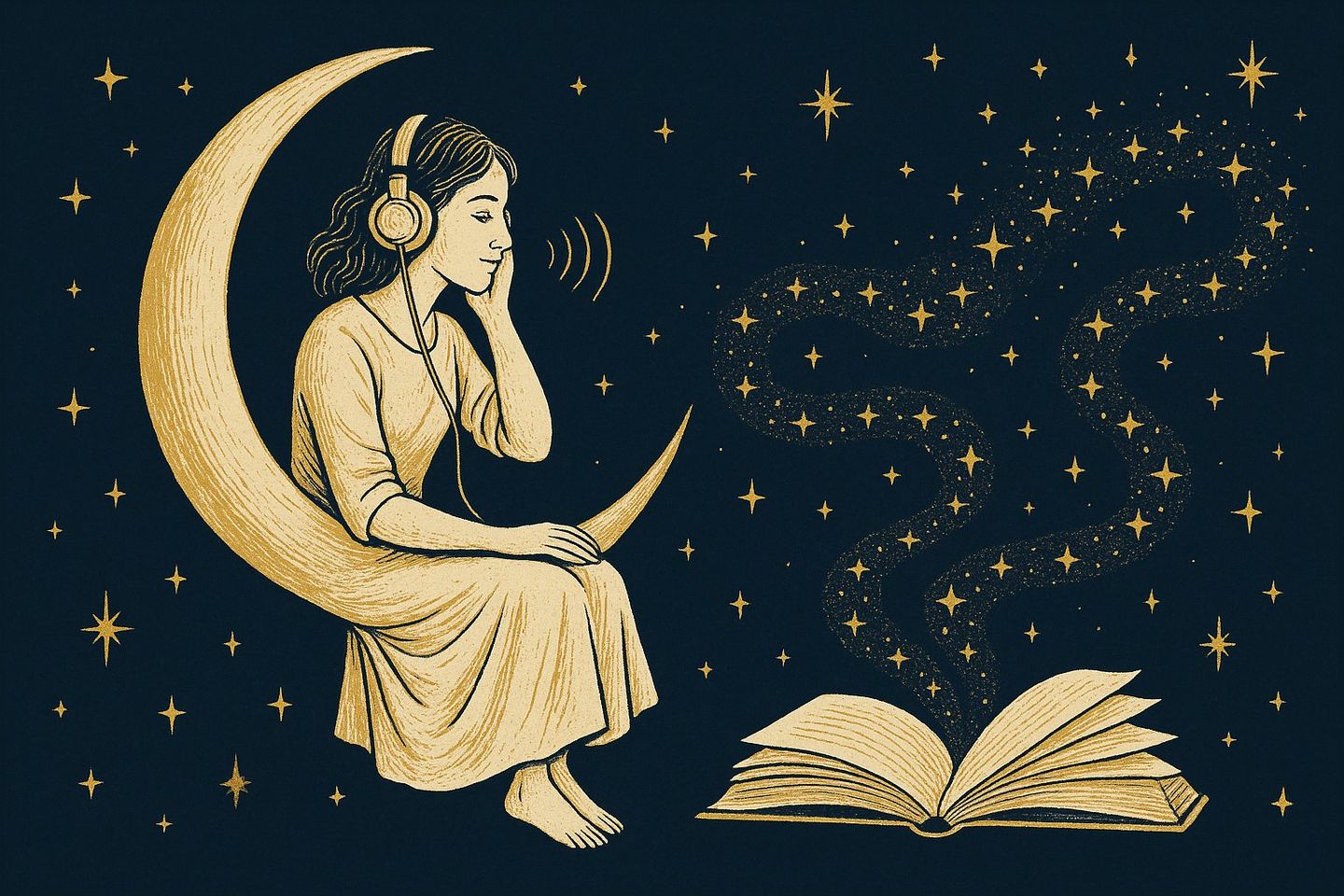
Listening to your book matters for two reasons: it reaches readers who prefer to listen, and hearing your own chapters read aloud is one of the best editing tools there is. Narration used to be out of reach for most writers because of studio time and hired narrators. With Anthra, any book can be read aloud in a lifelike voice, and the audio stays in step with your latest draft.
Why Was Narration So Hard to Get?
A traditional audiobook means booking studio time, hiring a narrator and spending weeks on editing. That cost kept narration out of reach for most independent writers, and it meant any change to the text after recording was expensive. Generated narration changes the math. You choose a voice, narrate the book from the same manuscript you wrote, and re-narrate only the paragraphs you change.
Reach Readers Who Listen
Plenty of people prefer to listen: on commutes, on walks, while cooking, at bedtime. Offering a narrated edition means your story meets readers wherever they are, including those who find reading difficult or simply love the intimacy of a voice. For children's books, a narrated copy lets a child hear the story when the grown-up who usually reads it isn't there.
"There is no friend as loyal as a book, and no comfort quite like being read to."
How Does Listening Make You a Better Editor?
Hearing your chapters read aloud reveals problems your eyes glide past. Clunky sentences make the voice stumble. Repeated words become obvious when you hear them twice in a breath. Long paragraphs of description start to drag, and dialogue that looks fine on the page can sound stiff. Many writers listen to a draft before they ever call it finished, for exactly this reason.
A simple way to do it: narrate a chapter, then play it while reading along on the synced transcript. When something sounds wrong, click the word to jump there and fix it. Before you narrate, the spoken-readability check can flag sentences that will be hard to say, so you can smooth them out first.
What Makes a Good Audiobook Narration?
A voice that fits the story matters more than anything else. Match the narrator to your point-of-view character's age and temperament, and choose warmth for children's books, steadiness for nonfiction and range for drama. Characters can have their own voices, so dialogue is easier to follow. Invented names can be re-spelled for the narrator so they're pronounced the way you hear them. And small production touches, such as soft background ambience or a short intro sting before each chapter, make the finished file feel like a real audiobook.
How Do You Add Narration to a Book in Anthra?
Step 1: Choose a default narrator from the voice library, which draws on hundreds of lifelike ElevenLabs voices. Samples are free to hear. Step 2: Cast voices for your main characters if you'd like dialogue read in different voices. Step 3: Check the cost preview and narrate the remaining chapters. Step 4: Listen through, fix anything that sounds wrong and re-narrate just those chapters. Step 5: Build the M4B audiobook, which includes chapter markers and your cover.
Where Can Listeners Hear It?
The M4B file works in Apple Books and other audiobook players, and MP3 files are available too. Once your book is published, you can turn on a podcast feed so listeners can subscribe in any podcast app. You can also publish the book on Discover, where readers can filter for narrated books.
How Do You Write Prose That Sounds Good Aloud?
Read a paragraph out loud and notice where you run out of breath; that's where a long sentence wants to be split. Vary sentence length so the rhythm doesn't become a drone. Make sure each line of dialogue is clearly attributed, since a listener can't see the quotation marks or the paragraph breaks. Watch for words that sound alike and blur together when spoken. And be careful with anything that depends on how the page looks, such as a list, a table or a word in italics doing all the work.
Make Listening Part of Your Revision Routine
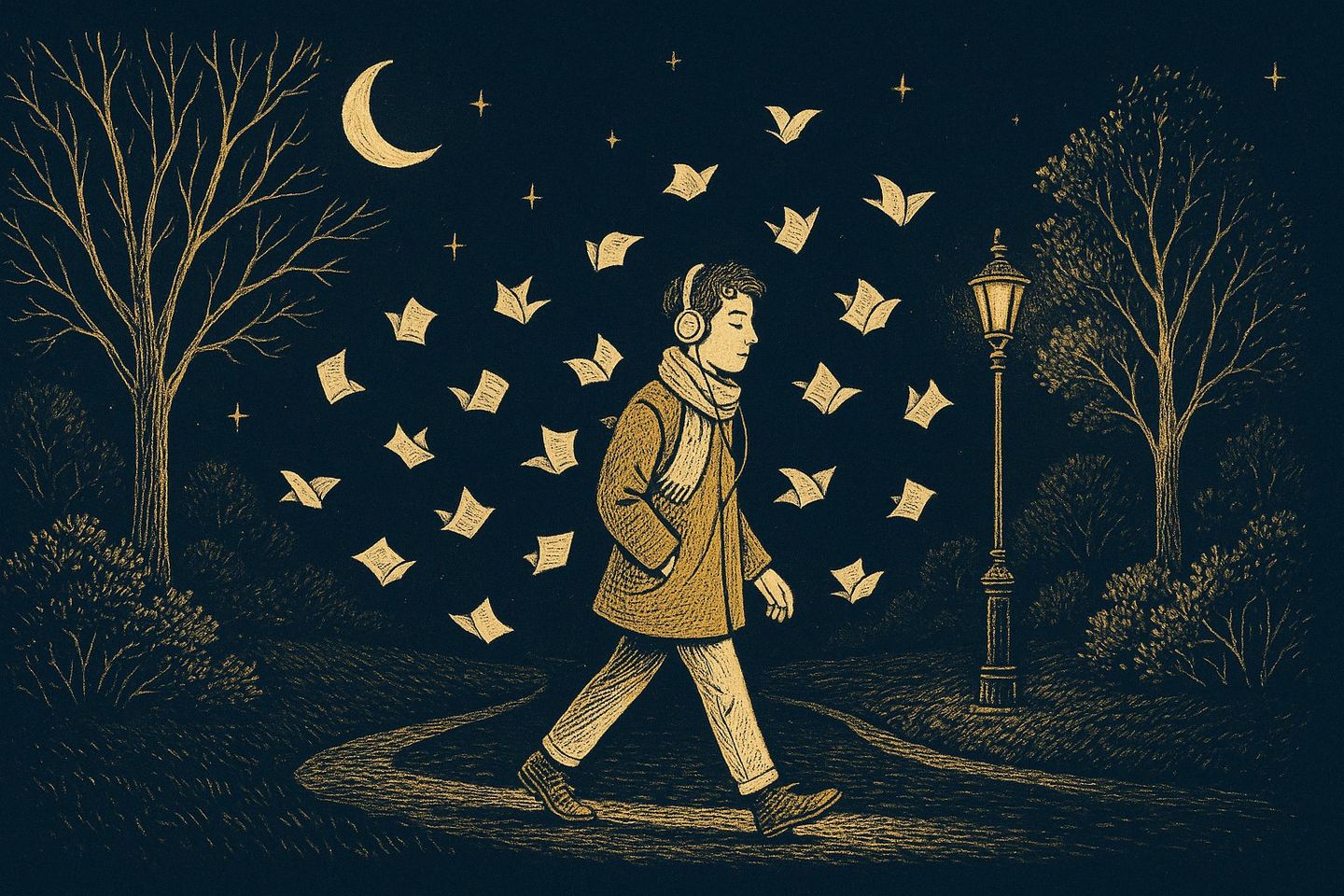
Try listening to each chapter once it's drafted, ideally away from your desk, on a walk or while doing the dishes. Keep a note of the moments where your attention drifts or a line makes you wince. Then go back to the text, fix those spots and re-narrate. Because Anthra only re-synthesizes the paragraphs whose text or voice changed, this loop stays affordable even when you repeat it for every chapter.
The prose checks complement listening well. Repetition, sentence rhythm and dialogue-tag checks point to many of the same problems your ear will catch, and running them first means your listening pass can focus on how the book feels rather than on small mechanical slips.
Narration for Different Kinds of Books
Picture books suit a warm, unhurried narrator, and ambience can make a story feel like a small performance. Novels benefit most from per-character voices, especially in dialogue-heavy chapters. Nonfiction usually wants one steady, clear voice and no ambience at all. Memoir works best with a single narrator whose age and warmth match the person telling the story, so spend extra time sampling voices. Whatever the book, preview a voice on a passage of your own text before you commit.
Narration and Accessibility
A narrated edition makes your book available to people who find reading print difficult, whether because of low vision, dyslexia or simply a busy life. Pair it with alt text for your illustrations, which Anthra can generate automatically, and your book becomes easier for more people to enjoy.
How Long Will My Audiobook Be?
You don't have to guess. The narration cost preview in Anthra shows the number of characters left to narrate, the credits it will take and the expected running time, for each chapter and for the whole book. That makes it easy to decide whether to narrate everything at once or start with a sample chapter. If a chapter runs longer than feels comfortable for listeners, consider splitting it; Anthra can split and merge chapters, and the outline stays in sync.
Key Takeaways
Does every book need an audiobook? Not every book, but most benefit from one, both for listeners and as an editing pass.
What does narration cost in Anthra? It's priced at 2 credits per 1,000 characters, and the cost preview shows the total before you start. Re-narrating an edited chapter only charges for the paragraphs that changed.
How do I pick a voice? Choose a narrator from the ElevenLabs voice library and cast different voices per character if your book has dialogue. Choose a voice that fits your story, press play, and your ebook becomes an audiobook. It's the same words you wrote, now ready to be heard.